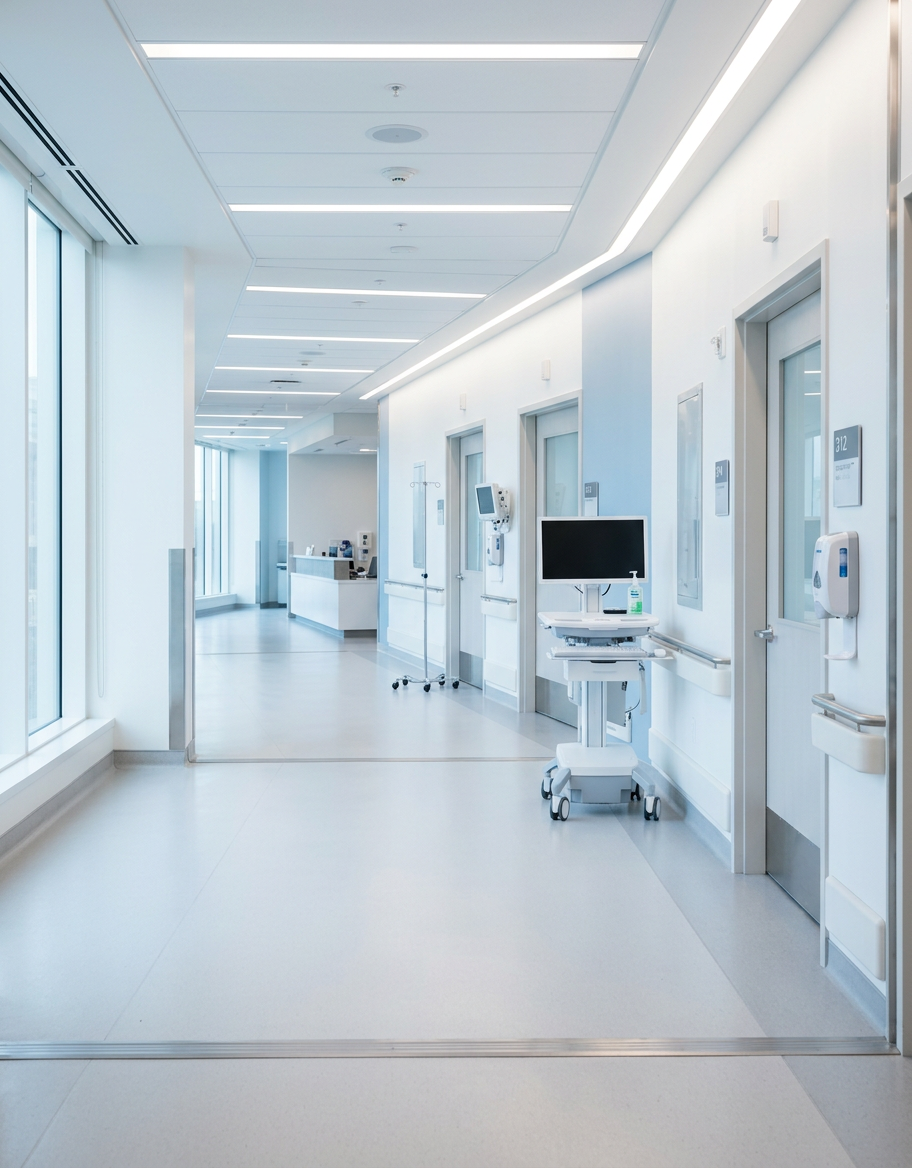

Hong Kong offers a small but unusually high-quality clinical environment for medical device studies. Done well, an HK-anchored study can serve HKMDD, support a TFDA filing, and seed an NMPA narrative.
Hong Kong is not the largest clinical environment in Asia, but for medical devices it is one of the most useful. Sites are highly trained, ethics review is structured, and the patient mix supports both East-Asian relevance and international comparability. For many sponsors, an HK-anchored study is the right first piece of clinical evidence in the region.
The HK clinical ecosystem
There are two practical pathways:
- Hospital Authority (HA) sites. Public, large patient volumes, strong PI bench, predictable processes. Slower start-up but deeper enrolment.
- Private hospitals and university-affiliated centres. Faster activation, narrower patient flow, often the right home for first-in-human or feasibility work.
Most well-designed device studies use a mix.
IRB / EC review
Each cluster operates its own institutional review board. Submissions are handled in English, but the protocol, ICF, and IB need to be aligned to local SOPs. Expect 6–12 weeks for a clean first review on a Class II/III device, longer if the protocol introduces novel endpoints.
PMCF as a multi-purpose asset
Post-Market Clinical Follow-up (PMCF) is often treated as a regulatory chore. Designed properly, it is one of the highest-leverage activities in your Asia plan.
A well-scoped HK PMCF can simultaneously satisfy MDR PMCF obligations, generate the local clinical experience TFDA reviewers like to see, and seed the real-world narrative that supports an eventual NMPA filing.
Design principles
- Pre-specify endpoints that map to both regulatory and reimbursement questions.
- Use centres that have publication track records — HK KOLs publishing in indexed journals compounds value.
- Build in a real-world evidence (RWE) arm where electronic records support it.
Site selection
Three questions decide most studies:
- Does the PI have a credible publication and recruitment record in your indication?
- Does the site's case mix match your enrolment criteria — not the brochure, the actual clinic?
- Is there a study coordinator with bandwidth, or is the site already over-committed?
Common pitfalls
- Treating HK as a single regulatory environment — the clusters differ.
- Underestimating Traditional Chinese ICF and patient-facing material translation.
- Failing to negotiate device accountability and storage logistics up front.
What to do next
If you have a device approaching first clinical use in Asia, a 60-minute feasibility conversation — protocol synopsis, indication, expected enrolment rate — is usually enough to map a realistic 12-month plan: target sites, IRB cluster, PMCF design, and the regulatory submissions the data will eventually feed.